The Center for PCS and PTSD offers personalized treatment for the range of symptoms associated with brain injury. Consult with our doctors and specialists from the comfort and security of your home.
TRAUMATIC BRAIN INJURY (TBI)
Traumatic brain injury (TBI) is damage to the brain caused by an external force on the body. TBIs are common after automobile accidents, falls, sports injuries, workplace injuries, or assaults. TBIs can range widely in severity and presentation from mild to severe. Mild TBI (mTBI) are also commonly referred to as concussions.Treatment for TBI is wide ranging depending on your specific symptoms. Speak with one of our specialists to determine the recommended intervention.
Treatment Options:
Neuropsychological Evaluation
Cognitive Rehabilitation Therapy
Psychotherapy
POST-CONCUSSION SYNDROME (PCS)
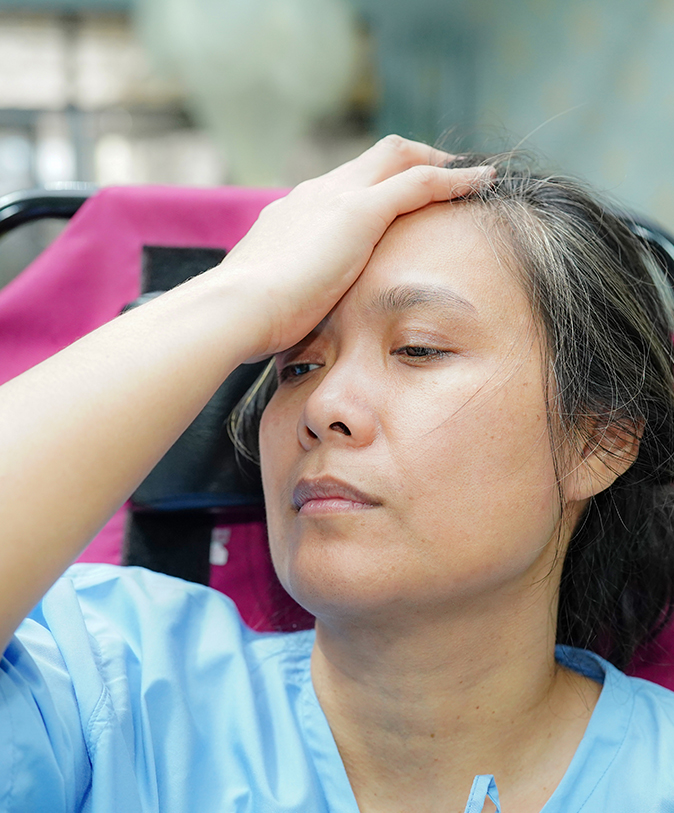
Post concussion syndrome symptoms can manifest minutes to week after head injury and include neurological issues like headache, dizziness, and sensitivity to light/noise; cognitive challenges such as memory problems and difficulty concentrating; and emotional effects like depression and anxiety.
If you experience any of these symptoms following a head injury, consult a specialist to explore treatment options.
Treatment Options:
Neuropsychological Assessment
Neuropsychiatry
Headache Management
Chronic Pain Treatment
Vestibular Therapy
Sleep Medicine
Cognitive Rehabilitation Therapy
Psychotherapy
Neuro-optometry and Vision Therapy
POST-TRAUMATIC STRESS DISORDER (PTSD)
Symptoms of PTSD include experiencing intense, disturbing thoughts after a traumatic incident has occurred; reliving a traumatic event through flashbacks or nightmares; having feelings of sadness, fear, or anger after a traumatic event; having strong reactions to smells or sounds associated with a traumatic event; avoiding situations or people that remind you of the event.
Treatment Options:
Psychotherapy
Neuropsychiatry
Sleep Medicine
DEPRESSION
Depression can be common following a life-altering injury. Approximately 50% of individuals who suffered a traumatic brain injury will experience depression within the first year. Signs of depression can include feelings of sadness or hopelessness, irritability, loss of interest in normal activities, difficulty sleeping, fatigue, changes in appetite (increased or decreased), restlessness, sluggish physical movements, feelings of worthlessness or guilt, difficulty making decisions, frequent or recurrent thoughts of death or suicide and unexplained physical problems such as headaches or back pain.
Treatment Options:
Neuropsychiatry
Psychotherapy
Sleep Medicine
ANXIETY
Anxiety symptoms manifest psychologically and physically when feelings become excessive, all-consuming and interfere with daily living especially after an injury or traumatic event. Symptoms of anxiety include a rapid heart rate, constant feelings of worry, memory issues, overthinking simple tasks, avoidance, excessive sweating, stomach issues, panic attacks, difficulty concentrating, and irritability.
Treatment Options:
Neuropsychiatry
Psychotherapy
Treatment Options
We revolutionize industries with dynamic digital solutions, tailored to meet contemporary demands and drive impactful transformations for businesses of all sectors.
PSYCHOTHERAPY
In addition to our clinicians being experts in psychotherapy, we have specialized training in caring for individuals rehabilitating from physical and neurological conditions. Our treatment populations include clients experiencing post-concussive symptoms, fear of driving after a motor vehicle accident, recurrent unmanageable chronic pain, difficulties adjusting and coping with their injuries, and worries about their health and future.
COGNITIVE REHABILITATION
Cognitive rehabilitation is a therapeutic approach designed to improve cognitive functioning in individuals with brain injury or neurological conditions, focusing on restoring skills or compensating for deficits. Our treatment interventions are designed to assist you in performing specific tasks, enabling you to return to the quality of life you enjoyed before your injury, or as close to it as possible.
As part of our program, we use evidence-based cognitive remediation training software (RehaCom®) to help clients restore abilities in attention, concentration, memory, executive functioning, problem-solving, processing speed, and other cognitive areas. This therapy can also be conveniently conducted via telehealth from the comfort of the patient’s home.
POST CONCUSSION MANAGEMENT
Our team of knowledgeable doctors and brain injury specialists can assess and clinically manage head injuries resulting from automobile accidents, falls, sports-related concussions, and neurological events associated with TBI (e.g. posttraumatic seizures). Patients with confirmed or suspected brain injuries will receive comprehensive assessment and treatment, tailored to their specific needs, which may involve psychotherapy, pharmacological treatment, and/or cognitive rehabilitation, depending on the nature of the injury.
While the specific length and type of treatment depend on your circumstances, treatment is usually provided over the course of 12 sessions, which could be one to two times per week. Sessions typically last one hour or more, depending on what’s best for your situation.
Patients may also receive at-home assignments several times a week to enhance their progress between sessions, helping them achieve faster and more substantial improvement.
MEDICATION MANAGEMENT
We also offer comprehensive psychiatric medication management services to support and enhance the therapeutic process for patients participating in treatment. Psychotropic medications are prescribed and monitored by experienced medical professionals to ensure safe, individualized, and effective care. These services are carried our remotely to decrease burden on our patient population and streamline accessibility to high quality care in a timely and convenient manner.
Whether you have a question as a patient or are looking for materials for someone you know, we have the resources to help.
Accessible, trauma-informed treatment tailored to your needs—whether you require long-term recovery, legal documentation, or compassionate PTSD care from anywhere.